Córdoba, en la comunidad autónoma de Andalucía, es la capital de la provincia homónima. Está situada en una depresión a orillas del Guadalquivir y al pie de Sierra Morena.
Hoy vamos a descubrir 10 cosas imprescindibles que hacer en la ciudad.
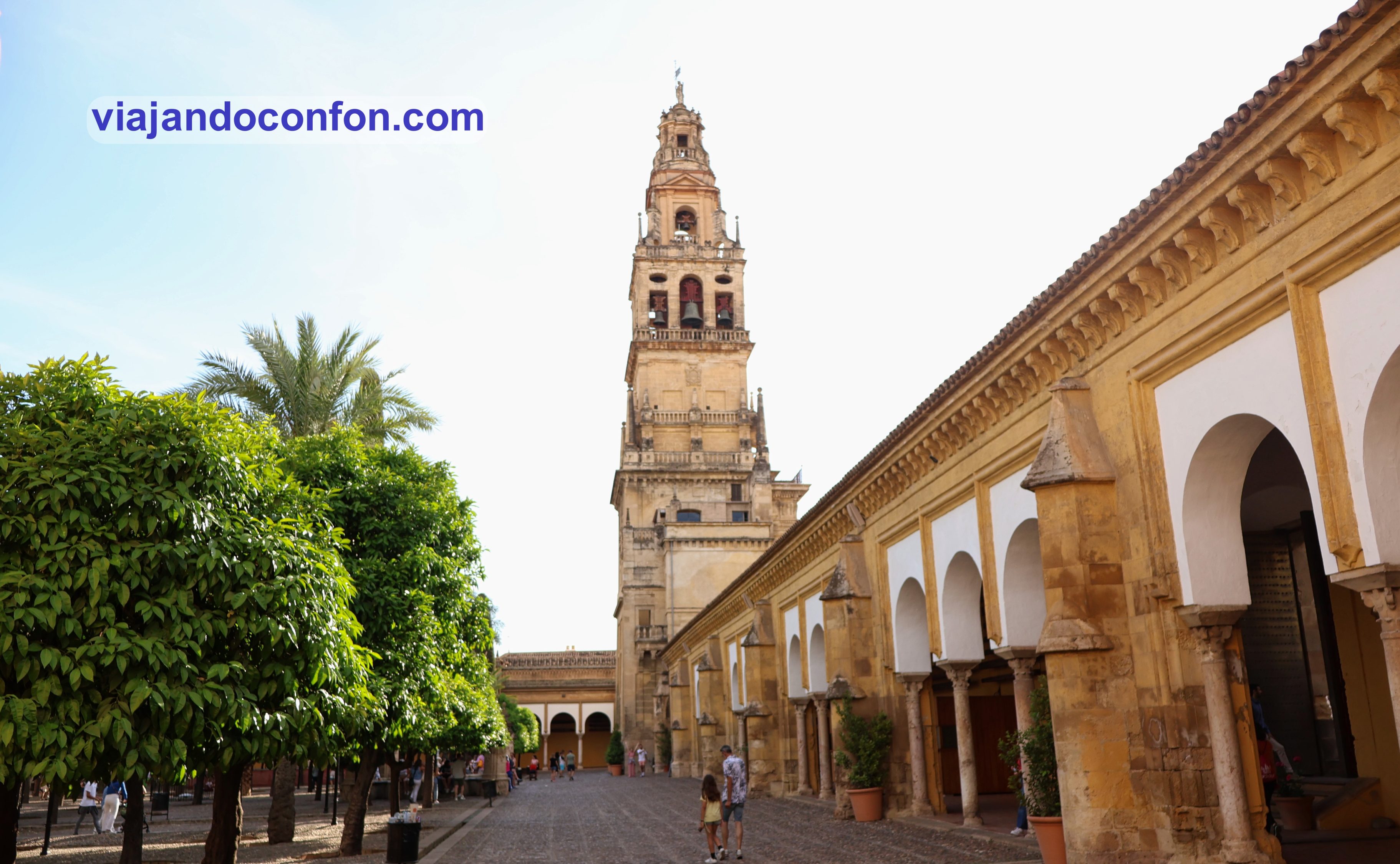
Fue construida como mezquita en el año 784. Se construyó en el lugar donde se encontraba la basílica hispanorromana de San Vicente Mártir. Aunque algunos historiadores ponen en duda esta teoría.
Durante el Emirato y el Califato de Córdoba sufrió numerosas reestructuraciones y ampliaciones. Llegó a ser la segunda mezquita más grande del mundo tras la de La Meca.
Tras la conquista cristiana de la ciudad en 1238 se consagra como catedral.
En 1523, bajo la dirección de los arquitectos Hernán Ruiz, el Viejo y su hijo, se construyó su basílica cruciforme renacentista de estilo plateresco.
A partir del siglo XII fue llamada Catedral de Santa María Madre de Dios hasta el XVI que se rebautizó con el nombre de Catedral de la Asunción de Nuestra Señora.
Hoy es la sede el cabildo catedralicio de la Diócesis de Córdoba y está reservado al culto católico.
Disfruta de una maravillosa visita guiada por la Mezquita con Civitatis:
*Nos ayuda a mantener el blog
02. Cruzar el Puente Romano
El puente romano de Córdoba está situado sobre el río Guadalquivir. Une el barrio del Campo de la Verdad con el Barrio de la Catedral.
Mide 331 metros y fuen construido en el siglo I. Fue el único puente con que contó la ciudad durante veinte siglos, hasta la construcción del puente de San Rafael a mediados del siglo XX.
En el extremo sur-este se encuentra la Torre de la Calahorra. Es una fortaleza de origen islámico construida como protección para la entrada del puente.
No se sabe la fecha exacta de su construcción, pero se nombra por primera vez en 1236. Tras la conquista castellana de Córdoba.
A través de los siglos se le dan diferentes usos como prisión para nobles o cuartel de la Guardia Civil.
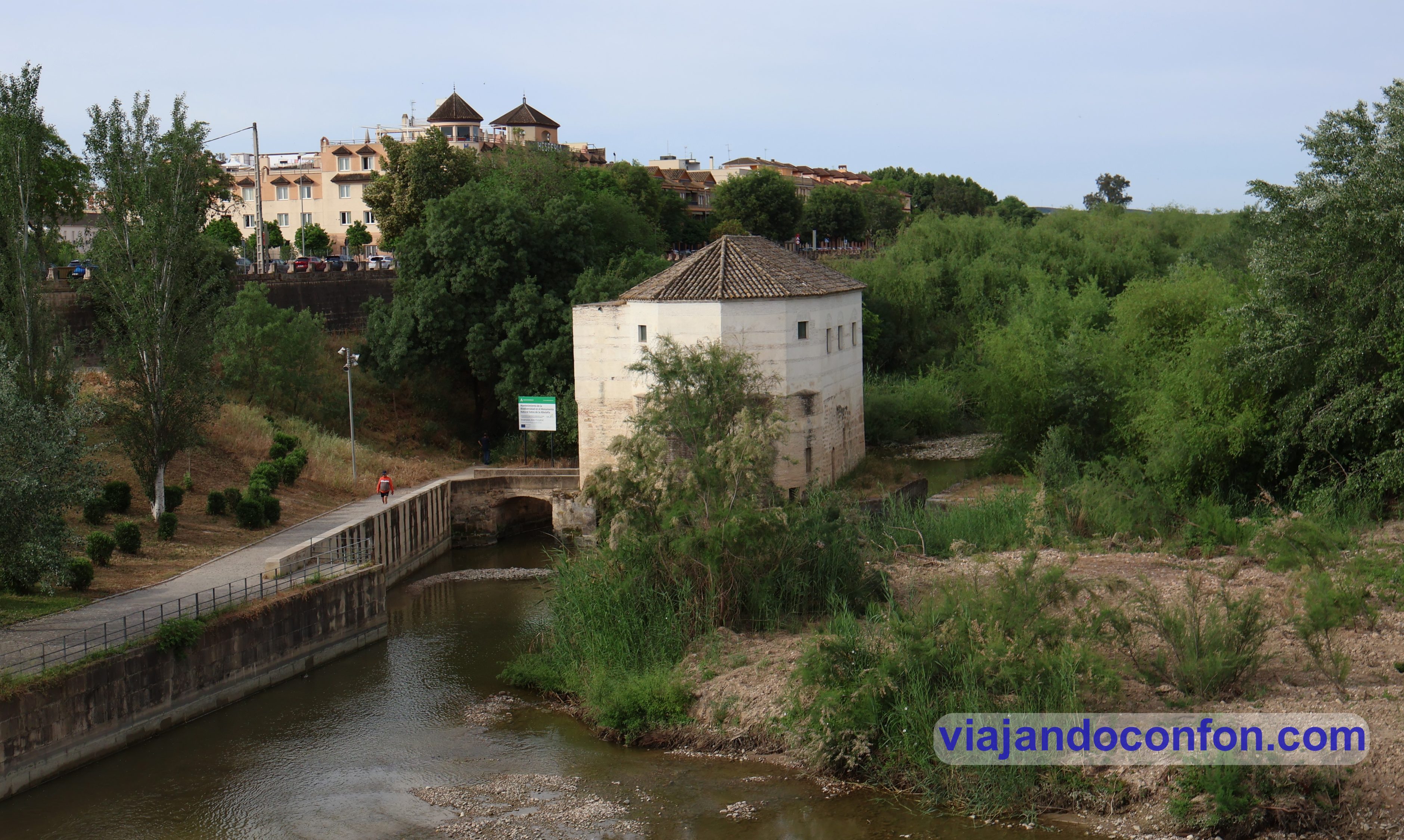
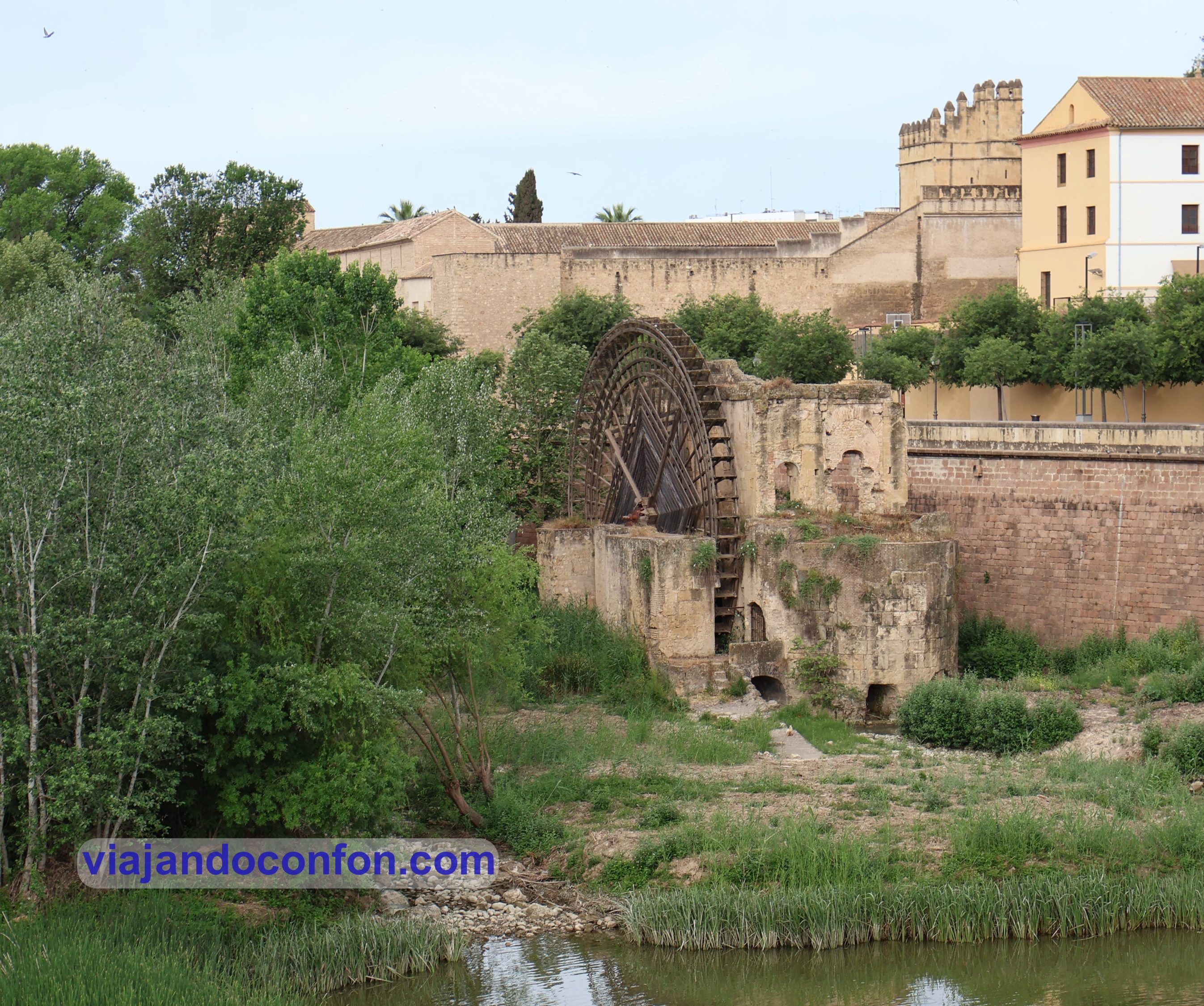
A lo largo del puente podemos ver en el río restos de distintos molinos. Como el molino de San Antonio, de origen incierto (se cree que medieval), se sabe que ya existía en el siglo XVIII.
Fue molino harinero y debe su nombre a una imagen de San Antonio que se ubicaba en una hornacina en la fachada. Funcionó hasta mediados del siglo XX, en que se usó el edificio para construir barcas para cruzar el Guadalquivir.
Molino de San Antonio
Molino de la Albolafia
03. Atravesar la Puerta del Puente
Se trata de una de las puertas originales de la muralla de la ciudad. Tras la reconquista por los cristianos pasó a conocerse como puerta de Algeciras.
Su aspecto actual data del siglo XVI cuando Hernán Ruiz III manda a remodelarla con motivo de la visita del rey Felipe II.
04. Alcázar de los Reyes Cristianos
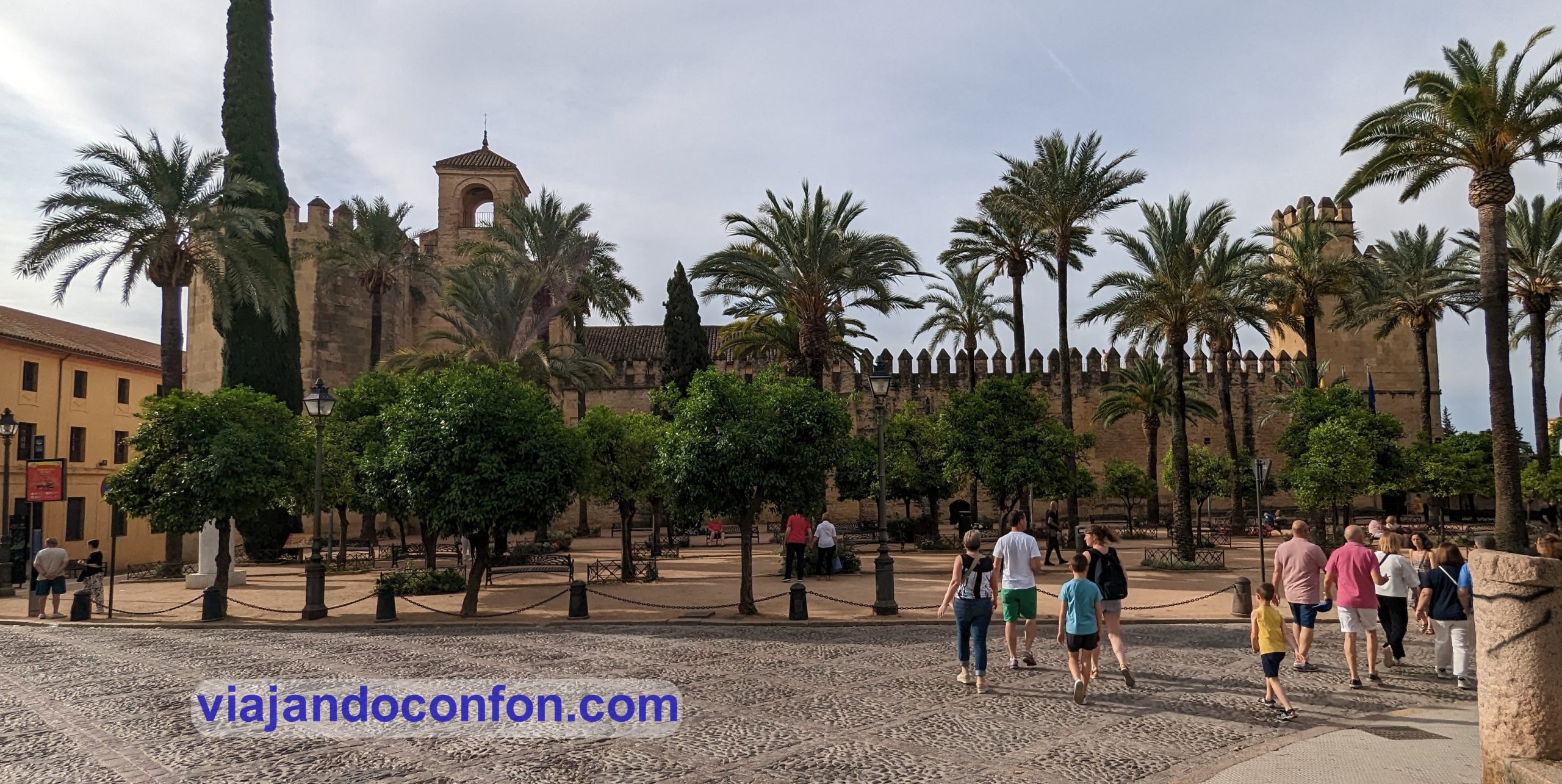
Su construcción se inició durante el reinado de Alfonso X en el siglo XII y finalizado por su bisnieto Alfonso XI en 1328. En su lugar se encontraba el Alcázar de los Omeyas, una fortaleza andalusí musulmana.
Los últimos monarcas que habitaron el alcázar fueron los Reyes Católicos y aquí estuvo preso el emir Boabdil.
Tras la conquista de Granada el edificio pasa a ser la sede del Tribunal de la Inquisición española. Fue hasta su abolición por las Cortes de Cádiz en 1812. Entonces pasó a ser una prisión hasta la 2ª República Española, cuando fue declarado Monumento Nacional (1931).
Durante los años 50 del siglo XX fue restaurado y abierto al público en 1960.
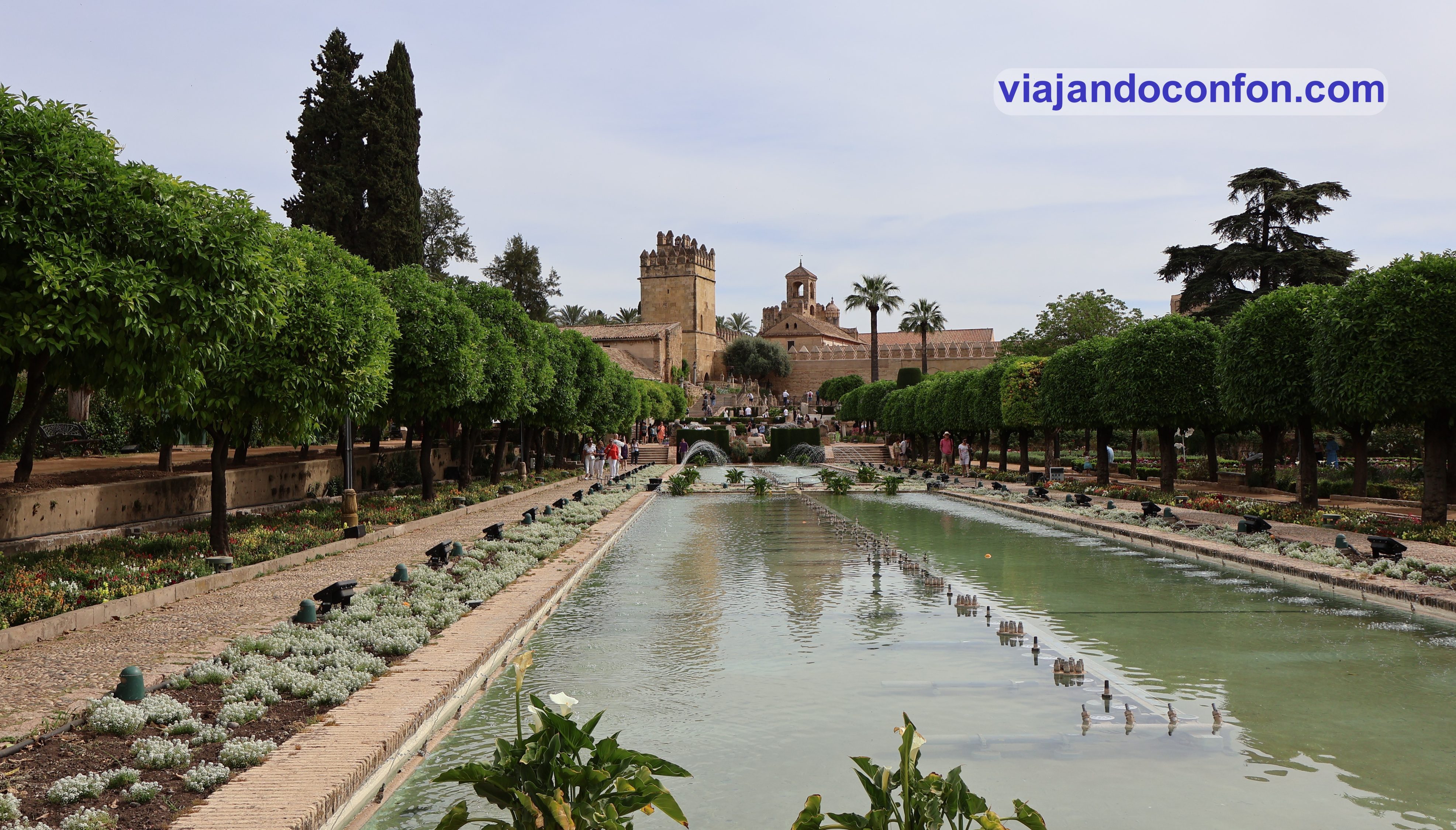
Los jardines del Alcázar ocupan actualmente parte del histórico de las antiguas Huertas del Alcázar. Su aspecto actual data de mediados del siglo XX.
En ellos encontramos varias estatuas como la que rememora la reunión entre los Reyes Católicos con Cristóbal Colón.
Horario del 16 de Septiembre al 14 de Junio: martes a viernes de 8:15 a 20:00 / Sábados de 9:30 a 18:00 / Domingos y festivos de 8:15 a 14:45.
Lunes cerrado.
Horario del 15 de Junio al 15 de Septiembre: Martes a Domingo de 8:15 a 14:45. Festivos de 8:15 a 14:45.
Lunes cerrado.
El último acceso al museo será media hora antes del cierre.
Precio: General 4.91€ / Reducida 2.66€ / Menores de 14 años gratis / Residentes gratis.
CONSEJO: Los jueves no festivos, acceso gratuito a partir de las 18:00 horas durante el horario de invierno y a partir de las 12:00 durante el horario de verano, hasta completar aforo.
Encuentra una maravillosa visita guiada por el Alcázar de Córdoba con Civitatis:
*Incluye la entrada*
05. Baños del Alcázar Califal
Fueron construidos por el califa cordobés Al-Hakam II y formaban parte del desaparecido Alcázar Omeya siendo, posiblemente, los más importantes de la ciudad.
Durante los siglos XI, XII y XIII, los baños del alcázar fueron reutilizados por almorávides y almohades.
Fueron descubiertos en 1903 accidentalmente pero fueron soterrados casi sobre la marcha (el progreso…). Fue en 1961 cuando fueron sacados a la luz.
Los baños el Alcázar Califal fueron inscritos como Bien de Interés Cultural en 1985.
Horario del 16 de Septiembre al 14 de Junio: martes a viernes de 8:15 a 20:00 / Sábados de 9:30 a 18:00 / Domingos y festivos de 8:15 a 14:45.
Lunes cerrado.
Horario del 15 de Junio al 15 de Septiembre: Martes a Domingo de 8:15 a 14:45. Festivos de 8:15 a 14:45.
Lunes cerrado.
El último acceso al museo será media hora antes del cierre.
Precios: General: 3.11€ / Reducida: 1.76€ / Menores de 14 años gratis / Residentes gratis.
Es el barrio en el que habitaba la comundiad judía entre los siglos XIII y XV. En él se pueden ver, además de la Mezquita-Catedral, museos como la Casa de Sefarad y monumentos como la Sinagoga, el Zoco Municipal y la capilla mudéjar de San Bartolomé.
07. Conocer la cultura judía en la Sinagoga de Córdoba
Fue construida entre 1314 y 1315 en estilo mudéjar.
La sala de oración está recubierta de ricas yeserías con decoraciones labradas, lacerías de estrellas de cuatro, seis y ocho puntas, temas vegetales y epigráfia hebrea, recogida fundamentalmente del Libro de los Salmos.
La sinagoga estuvo en uso hasta 1492, año en el que fue decretada la expulsión de los judíos por los Reyes Católicos. Entonces pasa por diferentes usos hasta 1876 dando lugar a la intervención de la Comisión de Monumentos de Córdoba, y a su declaracion como Monumento Nacional en 1885.
Horario del 16 de septiembre al 15 de junio: martes a sábados de 9:00 a 21:00. Domingos, festivos y lunes víspera de festivos de 9.00 a 15.00 h. Lunes cerrado (excepto festivos).
Horario del 16 de junio al 15 de septiembre: martes a domingo, festivos y lunes vísperas de festivos de 9:00 a 15:00. Lunes cerrado (excepto festivos).
08. Conocer la historia en el Museo Arqueológico de Córdoba
El Museo Arqueológico de Córdoba (MAECO) está situado en el antiguo palacio de los Páez de Castillejo y en un edificio anexo de nueva planta.
En él encontramos una gran variedad de piezas que abarcan desde la Prehistoria hasta la Baja Edad Media.
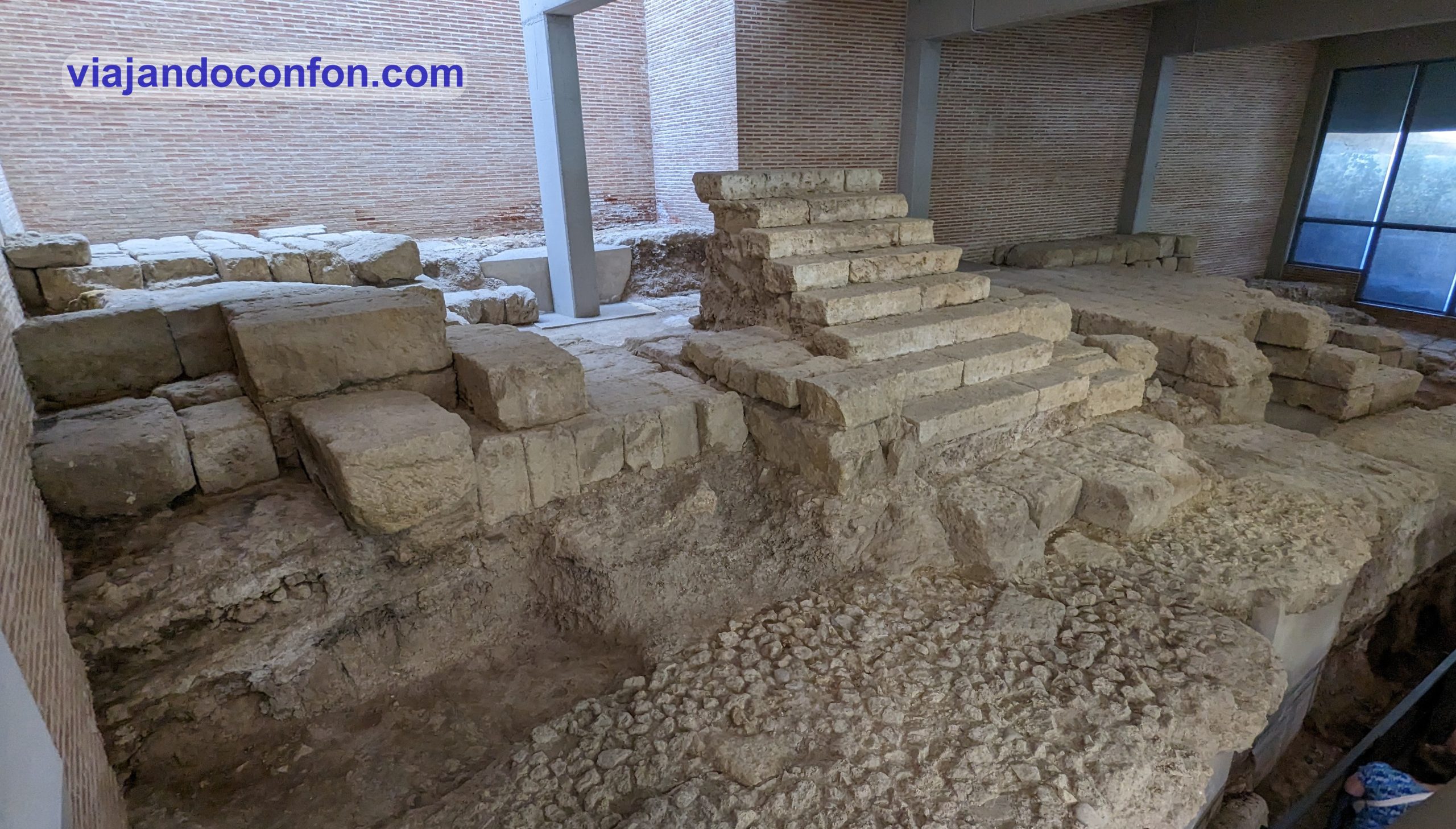
En el sótano encontramos los restos arqueológicos del teatro romano de Colonia Patricia Corduba, del siglo I a.C.
El teatro podría albergar hasta 15.000 espectadores y estuvo en uso hasta el siglo III.
La verdad es que es una visita que merece mucho la pena. Sobre todo siendo gratis para los ciudadanos de la Unión Europea. 1.50€ para los no comunitarios… así que no hay excusa.
Horario del 16 de junio al 16 de septiembre: martes a domingo de 9:00 a 15:00.
Lunes cerradoexcepto festivos y vísperas de festivos.
Horario del 16 de septiembre al 16 de junio: de martes a sábado de 09:00 a 21:00 / domingos y festivos de 09:00 a 15:00.
Lunes cerrado excepto festivos y vísperas de festivos.
Precio: gratis para los ciudadanos de la U.E. / 1.50€ para el resto de nacionalidades.
09. Descansar tomándote algo en la Plaza de la Corredera
Fue construida en 1683 por el arquitecto Antonio Ramós Valdés. Su nombre proviene de las corridas de toros que se celebraban aquí.
Además de los toros, aquí se celebraban los juicios (Autos de Fe) y se ajusticiaba a los condenados por la Inquisición Española.
Es la única plaza mayor cuadrangular de Andalucía y uno de los lugares más emblemáticos de Córdoba.
Realmente hay evidencias de una plaza anterior del siglo XIV. De finales de esta época destaca el Mercado de Sánchez Peña (1583 – 1586).
Fue construido como cárcel y casa del corregidor hasta que en 1835, en el que fue trasladada al Alcázar de los Reyes Cristianos. Tras esto se convirtió en una fábrica de sombreros y se instaló la primera máquina de vapor de la ciudad.
El otro edificio reseñable, también de antes de la remodelación es la Casa de Doña Jacinta. Famosa porque su dueña, doña Ana de Jacinto se negó a que su vivienda fuera demolida para ampliar la plaza.
El asunto llegó hasta la corte y Doña Jacinta consiguió que el rey Carlos II le diera la razón mediante una cédula real.
Hoy la plaza está llena de terracitas en las que sentarse a tomar algo. Realmente hay demasiadas y desluce un poco la fenomenal arquitectura de la plaza. Pero se está de un bien…
Y dejamos lo mejor para el final:
10. Visitar las ruinas de la Madīnat al-Zahrā (Medina Azahara)
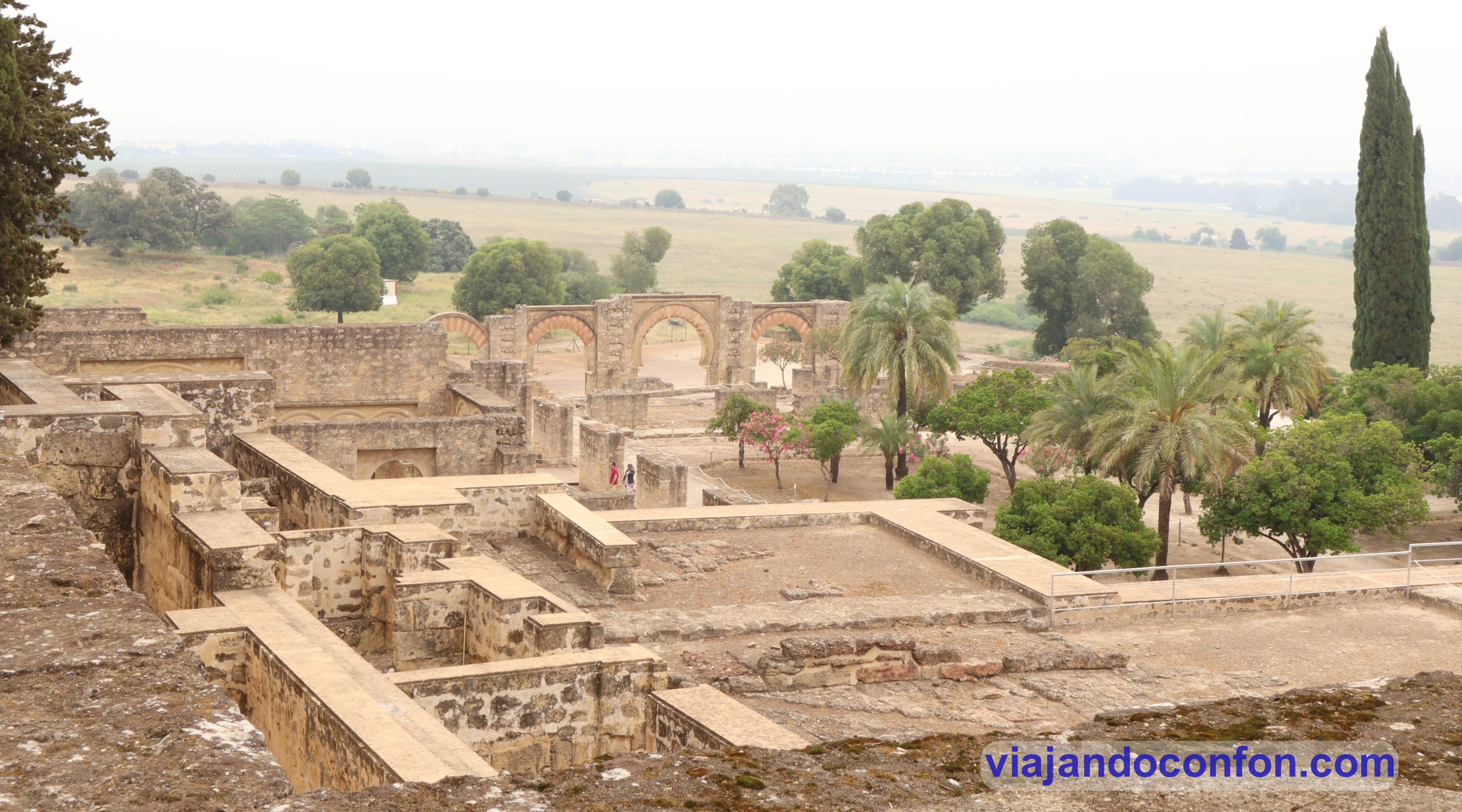
Situada a 8 km de la ciudad de Córdoba, Madīnat al-Zahrā (Ciudad Brillante) fue una ciudad palatina edificada en el siglo X. Se construyó por órden de Abderraman III, primer califa de Córdoba.
Su construcción comenzó en el año 936 y se prolongó durante varias fases hasta el reinado del primogénito de Abderramán, Al-Hakam II.
Medina Azahara fue destruida entre los años 1010 y 1013, siendo sus materiales reutilizados en otros lugares.
Las excavaciones arqueológicas dieron comienzo en 1911 y en 1923 fueron declaradas bien de interés cultural. El 1 de julio de 2018 fue declarado como Patrimonio de la Humanidad de la Unesco.
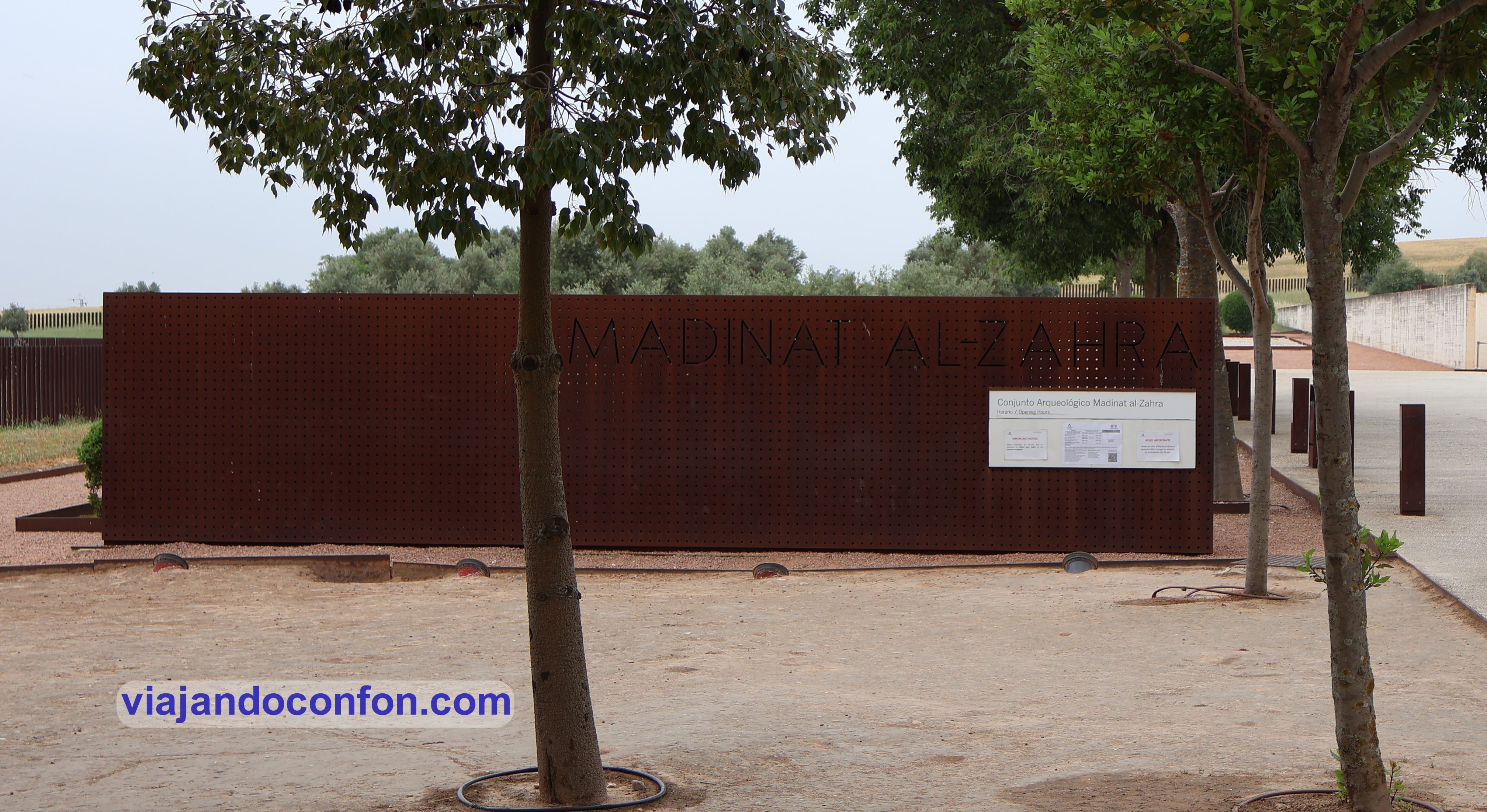
Para visitarla debes aparcar en el centro de visitantes. Allí se ecnuentran las taquillas y el museo de la medina.
Antes de subir a la medina visualizamos un video explicativo con su historia y podemos ver numeros piezas extraidas de la excavación.
Tras la visita al centro de interpretación, tomamos un bus lanzadera que nos lleva hasta la espectacular Medina.
CONSEJO: Lo ideal es contratar un guía para empaparte bien de la interesantísima historia de la medina.
Encuentra una fantástica visita guiada por Medina Azahara con Civitatis:
Visitamos Alcalá de Henares continuando la vuelta a casa desde Navarra.
Después de varias horas de camino llegamos al hotel, el Ibis Alcalá de Henares La Garena. En la línea de todos los Ibis por 58.90€ por noche. Muy tranquilo porque daba la impresión de que éramos los únicos huéspedes del hotel. El aparcamiento estaba vacío.
Encuentra tu hotel ideal al mejor precio en Alcalá de Henares con Agoda:
*Nos ayuda a mantener el blog
Dejamos las cosas, descansamos un poco y nos fuimos a visitar la ciudad.
Aparcamos junto a la Puerta de Madrid. Fue construida en el año 1788 para sustituir la antigua puerta de la muralla medieval.
Puerta de Madrid
Un poco más adelante se encuentra la Catedral de los Santos Justo y Pastor. Levantada como una capilla en el año 411. En el lugar donde se cree que fueron ejecutados San Justo y San Pastor en el año 304 en la Hispania romana.
Durante el periodo visigodo se convierte en catedral. En el año 1054, los musulmanes reconquistan la ciudad y destruyen la catedral.
En el año 1118 los cristianos reconquistan la ciudad. Fue en el año 1122 se reconstruye de nuevo la catedral.
Justo enfrente se encuentra la ermita de Santa Lucía. Es una de las construcciones religiosas más emblemáticas de la ciudad. Fue construida en el siglo XII en estilo románico-mudéjar.
El edificio actual data del siglo XVII y está construida en estilo barroco.
Durante la Edad Media, y hasta el año 1515, se reunía allí el concejo de la villa. Por esto es considerada la primera sede del ayuntamiento de la ciudad.
Ermita de Santa Lucía
Muy cerca encontramos el Palacio Arzobispal, la residencia de los arzobispos de Toledo en Alcalá de Henares. Construido a partir del siglo XIII y hasta las últimas renovaciones en el siglo XX, se suceden estilos como el mudéjar, renacentista y barroco.
En él llegaron a residir diferentes monarcas castellanos. Aquí nacieron Catalina de Aragón y emperador alemán Fernando. También aquí se celebró la primera reunión entre los Reyes Católicos y Cristóbal Colón.
A su lado se encuentra el convento de San Bernardo, fundado por el cardenal Bernardo Sandoval y Rojas. La iglesia se construyó entre 1617 y 1626 cuando se realizó la bendición del templo.
Desde aquí nos disponemos a recorrer la cercana calle mayor, que está rebosante de bares, restaurantes y terrazas. Aquí se encuentra la casa natal de Miguel de Cervantes.
Durante mucho tiempo hubo un intenso debate sobre el lugar de nacimiento del escritor, hasta que en 1948 Luis Astrana Marín, dio a conocer la ubicación exacta en este edificio. Después de esto, el ayuntamiento compró en 1954 y en 1956 se inauguró el museo cervantino.
Ya casi al final de la calle mayor se encuentra la Iglesia de la Compañía de Jesús, actual parroquia de Santa María la Mayor, construida entre 1602 y 1625 por el arquitecto Bartolomé de Bustamante y sufragada por Doña Catalina de Mendoza y Mendoza.
Volvemos un poco sobre nuestros pasos hasta la plaza de San Diego, donde se encuentra el precioso edificio del colegio mayor de San Ildefonso, que pertenece a la universidad de Alcalá de Henares. Fundado en 1499 por el Cardenal Cisneros como origen de la Universidad de Alcalá histórica, fue colegio mayor hasta su clausura en el año 1798. Hoy en día es sede del rectorado de la universidad.
Casi al lado se encuentra la plaza Cervantes. La plaza se creó en el año 1184 como plaza del mercado. Luego se le llamó plaza de la Constitución, y desde el año 1879 es la plaza de Cervantes, cuando se erigió en el centro de la plaza un monumento al escritor.
En la plaza se encuentra el ayuntamiento, en el edificio que que en un principio fue el Colegio-convento de la Orden de Clérigos Regulares Ministros de los Enfermos de San Carlos Borromeo y de San Camilo de Lelis o de Agonizantes, hasta el año 1855.
En un extremo sur de la plaza encontramos las ruinas de la iglesia de Santa María, construida en el siglo XV y destruida en el año 1936 durante la Guerra Civil. Hoy en día solo se conservan la torre del Oidor y la capilla, ambas restauradas.
Por detrás, encontramos el edificio de la facultad de filosofía y letras, en el edificio donde antiguamente se encontraba el Colegio Menor de San Ciriaco y Santa Paula, conocido como Colegio de Málaga, fundado en 1611 Juan Alonso de Moscoso, obispo consecutivamente de Guadix-Baza, León y Málaga.
Descubre las mejores actividades y tours en Alcalá de Henares con Civitatis:
Aquí encontrarás datos básicos que debes conocer antes de tu viaje a Lituania.
Documentación
Al ser parte de la Unión Europea, para los ciudadanos de la UE no hace falta obetenr visado. Vale con Pasaporte o D.N.I.
Sanidad
En Lituania se encuentra una familia de garrapatas conocida como Ixodes Ricinos, que son peligrosas por dos tipos de enfermedades graves que pueden transmitir a los animales y a los seres humanos: la ENCEFALITIS CENTRO-EUROPEA y la ENFERMEDAD DE LYME.
Para esto se recomienda:
Informarse sobre las vacunas requeridas antes de visitar Lituania.
Tener especial cuidado durante el verano en excursiones en las zonas de campo, por el bosque o en los alrededores de los lagos.
Usar pantalones largos y prendas de color claro para facilitar la identificación de los insectos.
Usar repelentes para insectos y si las garrapatas se encuentran en la piel extraerlas inmediatamente con una pinza.
La República de Lituania mantiene un sistema de hospitales públicos de calidad. Si viaja provisto de Tarjeta Sanitaria Europea (TSE) le serán prestados los servicios de atención de urgencias no necesariamente de forma gratuita.
Como siempre, recomendamos viajar con un buen seguro de viajes. IATI es especialista en seguros de viaje y, por ser nuestro lector, tienes un 5% de descuento.
Desde su independencia de la Unión Soviética en 1993, la moneda en circulación era la Litas lituana. Con esa moneda es con la que viajamos nosotros en 2012.
Fue a partir de 2014 cuando Lituania adoptó el Euro y dejó de usarse gradualmente su moneda.
SE RECOMIENDA extremar la precaución a quienes viajen en coche u otro tipo de transporte terrestre por Lituania. El mal estado de las calzadas y los adelantamientos en vías de un solo carril son comunes, ya que en ocasiones los conductores utilizan el arcén como un tercer carril.
Los límites de velocidad oscilan entre el máximo de 50 km/h en ciudad, 70 km/h en carreteras convencionales y los 110-130km/h en autovías. La red de autovías/ autopistas en Lituania está en expansión y en la actualidad no es muy amplia. Existen tramos entre Kaunas y Klaipėda y entre Vilnius y Panavezys.
La mayor parte de las carreteras, en gran medida debido también a las duras condiciones climatológicas del invierno, suelen tener el firme en deficiente estado, apenas están iluminadas y las vías principales suelen tener un tráfico denso, especialmente de camiones. El índice de accidentes de tráfico es uno de los más altos de la Unión Europea.
La legislación vial de Lituania es MUY ESTRICTA. Muy especialmente en casos de omisión del deber de socorro, fuga o consumo de alcohol o drogas.
Encuentra tu hotel ideal al mejor precio en Lituania con Agoda.
*Nos ayuda a mantener el blog
A tener en cuenta
La legislación lituana es MUY ESTRICTA en cuestiones de orden público. Existe una muy escasa permisividad por parte de jueces y policías con comportamientos antisociales, escándalos, peleas o demás tipos de alteraciones como gamberradas y delitos menores en ambientes universitarios o festivos.
La legislación lituana es MUY ESTRICTA en lo que se refiere al respeto debido a los símbolos nacionales.
El Código Penal de Lituania castiga con hasta dos años de prisión a aquellos que retiren, rompan, ensucien, quemen o ultrajen la bandera y otros símbolos del Estado de Lituania. La misma pena se impone a quien ridiculice o haga burla pública del Himno Nacional.
Todo cosas de sentido común, que no todos tenemos.
Queda también PROHIBIDO mostrar símbolos o hacer apología de la Unión Soviética, la República Socialista de Lituania y portar emblemas que muestren la hoz y el martillo, el lazo de San Jorge o la Estrella Roja Soviética so pena administrativa.
Encuentra las mejores actividades y tours en Lituania con Civitatis.
Los primeros pobladores fueron los baltos o aesti, entre cuyas tribus se incluían también los prusianos originales y los letones. Fueron una etnia de origen indoeuropeo única, fuertemente influidas por los germanos. Pero también tuvieron lazos comerciales con el Imperio romano. Las primeras referencias conocidas sobre Lituania como nación (Litua) provienen de los anales del monasterio de Quedlinburg. Están fechados el 19 de febrero de 1009.
El territorio que actualmente corresponde a Lituania se remonta al siglo XIII como Estado medieval. Fue primero un gran ducado independiente.
Se considera que la fecha de la constitución del primer Estado lituano fue la coronación oficial de Mindaugas. Fue el 6 de julio de 1253 en Vilna. Unió a los duques lituanos rivales en un único Estado.
Durante el siglo XIII el reino fue invadido varias veces por los reyes mongoles de la Horda de Oro. Los mongoles fueron derrotados en 1377 en «Aguas Azules». En 1385 se unió a Polonia tras la coronación como rey de Vladislao II Jogaila.
Encuentra las mejores actividades y tours en Lituania con Civitatis:
*Nos ayuda a mantener el blog
En 1401 Vitautas, primo de Jogaila, se proclamó Gran Duque de Lituania y se disolvió la unión de los dos países. Gracias a la cooperación de ambos países, los ejércitos lituano y polaco vencieron a la Orden Teutónica en la batalla de Grunwald en 1410. Fue la mayor batalla en suelo europeo librada en todo el siglo XV.
Más tarde Polonia se la anexionó de nuevo. Formaron la República de las Dos Naciones en virtud de la unión dinástica de los dos estados en 1569. Convirtiéndose así en el país más grande de Europa. Según el sistema de unión de los dos países, Lituania pudo conservar un auto-gobierno.
Posteriormente se incorporó a Rusia en 1795 bajo el reinado de Catalina II de Rusia.Fue tras un proceso de desintegración que duró todo el siglo XVIII (particiones de Polonia).
A finales del siglo XVIII y hasta el comienzo de la Primera Guerra Mundial, Lituania recobró su autonomía. Aunque siguió formando parte del Imperio ruso. La represión de los gobernantes rusos contra el pueblo y la cultura lituanas provocó dos grandes revueltas en 1836 y 1863.
Tras el Levantamiento de Enero de 1863, fueron prohibidos los libros, periódicos y la enseñanza en general en idioma lituano durante los siguientes 40 años. Con el fin de ejercer un mayor control, las autoridades rusas sustituyeron el alfabeto latino del lituano por el alfabeto cirílico.
Durante la Primera Guerra Mundial, entre 1914 y 1918, Lituania estuvo ocupada por Alemania. Declarando otra vez su independencia el 16 de febrero de 1918.
Entre 1918 y 1921 libró una guerra contra la recién proclamada República de Polonia. Esta había intentado anexionarse el Estado Lituano. La guerra se saldó con la pérdida del 20 % del territorio lituano. Con la capital Vilna incluida, por lo que la capital se trasladó provisionalmente a Kaunas.
Encuentra tu hotel ideal al mejor precio en Lituania con Agoda.
*Nos ayuda a mantener el blog
en junio de 1940 las tropas de la Unión de Repúblicas Socialistas Soviéticas (URSS) ocuparon el país, y en agosto de ese año Lituania fue anexionada, convirtiéndose en la República Socialista Soviética de Lituania; pero desde 1941 y hasta 1944 la Alemania Nazi expulsó al Ejército Rojo, por lo que una parte de la sociedad lituana percibió a los alemanes como sus libertadores frente al imperialismo bolchevique. Tras la victoria militar del Ejército Rojo y las tropas aliadas, sobre el ejército nazi, Lituania pasó a formar parte de la Unión Soviética, tras haberse acordado en el tratado de Potsdam de 1945.
En 1988 se formó el Movimiento Lituano por la Sąjūdis, que triunfó en las elecciones de 1989 en el Seima lituano, todavía perteneciendo Lituania a la Unión Soviética. En 1990 Vytautas Landsbergis fue elegido presidente, proclamando la independencia de Lituania el 11 de marzo de 1990, apoyado por la llamada Revolución Cantada. Aunque esta independencia no fue reconocida internacionalmente hasta 1991.
Como siempre, recomendamos viajar con un buen seguro de viajes. IATI es especialista en seguros de viaje y, por ser nuestro lector, tienes un 5% de descuento.
Eating in Iceland is not cheap, leaving the Pylsur (hot dogs) or large supermarkets, the economic effort is quite large.
Here we are going to list the places where we ate throughout the country, to try to spend “little” and eat well.
Several times we ate at the KFC franchise, which is safe and is the cheapest, but not the best. A bucket of chicken for two people is around 4,799 ISK (€33). If you like McDonald or Burger King, forget it, in Iceland there are none.
Something that surprised us about Iceland is that all the restaurants we visited have vegan options, even fast food franchises.
1. Reykjavik Fish
To eat a good fish & chips and try a delicious traditional Plokkari. They also have fish soup and some burgers.
They have a fairly small menu, making the choice easy.
There are two places in the city, one at Tryggvagata 8 and the other at Frakkastígur 12. You can eat for around 3.390 ISK (€23) per person.
Restaurant located in the tourist complex of Geysir, in the Golden Circle. Quite a variety of food at a very good price. Most of it located in hot beds from which they serve you directly.
Everything was very rich.
Price from between €15 and €20 per person.
Meat balls
knuckle of lamb
Adress: 8M5X+Q44, 806, Iceland.
5. Halldórskaffi
Small restaurant in Vík í Mýrdal with some traditional Icelandic dishes, as well as burgers, sandwiches and, special mention, cakes. Very cozy atmosphere, with very good service and very reasonable price. From about 3.200 ISK (€22) per person.
At the entrance to the city of Hólmavík, there is a supermarket from the Krambúðin chain. Next to it is this restaurant-cafeteria called Veitingasala, which offers pylsur, hamburgers and little else.
Simple and quite cheap. There’s nothing wrong.
Price from around €15 per person.
Adress: Höfðatún 4 510, 510 Hólmavík, Iceland.
9. Edinborg Bistro
Nice restaurant-pub in Ísafjörður that offers fish of the day, some pasta and meat. It’s not cheap but it’s really good.
Price around 4.500 ISK (€31) per person.
Adress: Aðalstræti 7, 400 Ísafjörður, Iceland.
Discover the best activities and tours in Iceland with Civitatis:
10. Dalakot
It is a pizza-burger restaurant located in the city of Búðardalur, at the exit of the Westfjords. Great pizzas and delicious salads. They also have meat dishes.
Very good service and reasonable prices.
Prices from €12 for the cheapest hamburger to €22 for the lamb dish.
Located in the city of Grundarfjörður, a small and cozy place where they serve pizzas, pasta and some traditional dishes. Do not persecute the plokkari.
Price: about €20/23 per person.
Adress: Nesvegur, 350 Grundarfjörður, Iceland.
12. Agnið streetfood
A small food truck located in the car park of the Snæfellsnes Visitor Center. Tasty burgers and great sandwiches. And at a great price; about €15 per person.
Adress: Breiðabliki, 342 Stykkishólmur, Iceland.
Extras
If you want to eat even cheaper, you will always have supermarkets. The cheapest are the Bónus and Krónan.
You will find both throughout the Icelandic geography.
Here we leave you a map with the restaurants in which we ate those days:
Find the best hotels in Iceland at the best price with Agoda:
Öxarárfoss is a small waterfall about 14 meters high. Of course, it does not impress due to its size, but the setting in which it is located is really beautiful.
The Icelandic writer Björn Th. Björnsson wrote:
“Although Öxarárfoss is not large in size, it is peculiarly beautiful and has a lot to do with it. It falls from a smooth edge and is reasonably wide to give it particularly graceful proportions. The boulders are below, but not covering, creating a lot of spray. But this is how the sun behaves here, in the last part of the day it stands obliquely along the gap and shines on the waterfall, so rare to see. The surroundings created by the crack hammers do not in the least enhance the beauty, whether the waterfall is in light mode in summer or in icy bands in winter.”
How to get there: Öxarárfoss is located 52km from Reykjavik.
09. Goðafoss
Goðafoss Waterfall is located on the Skjálfandafljót River, the fourth largest river in Iceland. It is one of the most spectacular waterfalls in the country, falling from a height of 12 meters over a width of 30 meters.
The name Goðafoss means waterfall of the gods or waterfall of the ‘goði’ (priest) and comes from a fascinating story:
When Iceland was established between the 9th and 10th centuries, the majority of the population were Norwegian descendants who followed the Old Norse religion and worshiped deities such as Thor, Odin, Loki and Freya.
In 930, after establishing the Commonwealth, the pressure for its Christianization began. Around the year 1000, Norway threatens an invasion if they continue to maintain their pagan religion. This is discussed in Þingvellir where Þorgeir Ljósvetningagoði, the priest Ásatrú (or goði) and spokesman for the law, is given the responsibility of making the decision.
He spends a day and a night reflecting and praying to the gods for the right decision. He finally communicates that, for the people’s sake, Christianity would be the official religion, but pagans could practice the Norse religion in private.
To symbolize his decision, he returned to his home in northern Iceland and cast idols of the old gods into a beautiful waterfall. Since then, it would be known as Goðafoss.
How to get there: Goðafoss is located 422km from Reykjavik and 34km from Akureyri.
08. Skógafoss
Skógafoss is located in the course of the Skógá river and has a height of 60 meters and a width of 25.
According to legend, the first Viking settler in the area, Þrasi Þórólfsson, hid a treasure in a cavern behind the waterfall.
From one side of the waterfall there are some stairs with a few steps: 400! Here we find a platform to see the waterfall from above. There are also spectacular views of the entire area.
On the eastern side of the waterfall, a hiking trail leads to the Fimmvörðuháls pass between the Eyjafjallajökull and Mýrdalsjökull glaciers. Then it goes down to Þórsmörk on the other side and continues like the famous Laugavegur to Landmannalaugar.
How to get there: Skógafoss is located 156km from Reykjavik.
If you want to be on the safe side, you can book a fabulous tour with Civitatis:
07. Svöðufoss
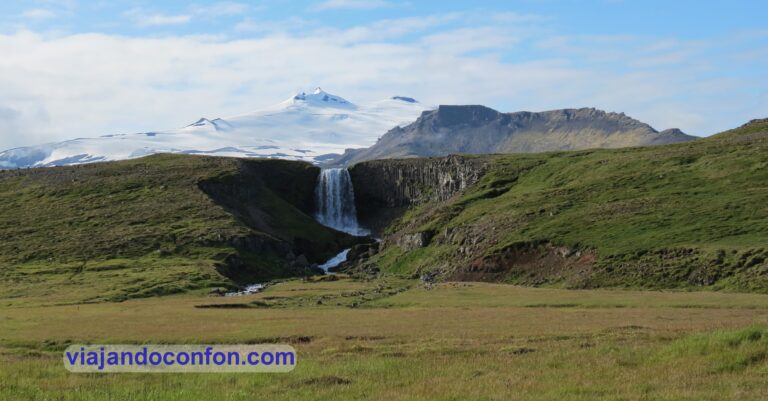
Svöðufoss is a beautiful 10-meter-high waterfall that pours between basalt columns into the Hólmkelsá River.
The setting in which it is located is truly spectacular, with the watchful summit of the Snæfellsjökull volcano with its glaciers.
Snæfellsjökull is a stratovolcano 700,000 years old and 1,446 meters high. The mountain is actually called ‘Snæfell’ (Snow Mountain), although ‘jökull’ (Glacier) is often added to help distinguish it from other mountains of the same name.
In August 2012, it ran out of snow for the first time in its history. Fact that generated concern among the locals that climate change threatens the nature of the mountain.
How to get there: Svöðufoss is located 200km from Reykjavik and 43km from Arnarstapi.
06.Dynjandi
Dynjandi is the largest waterfall in the Westfjords. It is located near the bay of Dynjandisvogur and the fjord Arnarfjörður.
Dynjandi is known as the “Bridal Veil” for its resemblance to this garment. It has a 100-meter drop and is 30 meters wide at the top and 60 at the base.
The walk from the car park to Dynjandi is approx 200m uphill with some steps.
How to get there: Dynjandi is located 361km from Reykjavik and 59km from Ísafjörður.
05. Dettifoss
Located in the Jökulsárgljúfur National Park, it is a spectacular waterfall 100 meters wide and 44 meters down. With a flow of between 200 and 500 m³ per second, it is the mightiest waterfall in all of Europe.
Nearby is the Selfoss waterfall. Smaller than its neighbour, it is a beautiful waterfall that flows wide down the basalt columns that surround the Jökulsá á Fjöllum river.
How to get there: Dettifoss is located 520km from Reykjavik, 133km from Akureyri and 161 from Egilsstaðir.
04. Gullfoss
Gullfoss (Icelandic for Golden Waterfall) is the most famous waterfall in Iceland. Nestled in the Hvitá river canyon, it has two waterfalls, one 11 meters and the other 21. In total there are 32 meters of fall and a flow of between 80 and 140 cubic meters of water per second.
Next to the stairs that go up to the visitor center we find a small monument dedicated to Sigríður Tómasdóttir. She was an Icelandic environmentalist whose activism helped preserve the Gullfoss waterfalls, protecting them from industrialization. She is considered Iceland’s first ecologist.
A piece of advice: take a raincoat with you because if you go near the waterfall you will end up soaked.
How to get there: Gulfoss is located 116km from Reykjavik.
Find the best hotels in Iceland at the best price with Agoda:
*It helps us to maintain the blog
03.Brúarárfoss
Brúarárfoss, a small but beautiful waterfall on the Brúarà river. It is neither the largest nor the mightiest in Iceland, but its turquoise waters are truly hypnotic.
From the car park you have to do a little trekking of about 3 km following the Brúarà river to reach the waterfall.
It is a relatively smooth path, although the day we were there it was extremely muddy and it was somewhat difficult to walk. In some sections it was literally impossible to walk and you had to go a little off the road.
Brúara River
Trail to Brúarárfoss
Brúarárfoss is not the only waterfall on the way. We are going to find two more. The first is Hlauptungufoss, approximately 1.5 km from the car park.
Here we can already appreciate the incredible turquoise color of the water from the melting of the glaciers.
Hlauptungufoss
A little further on we come across the second: Miðfoss. As its name indicates, it is the one in the middle…
Miðfoss
And now yes. At about 800 meters we find the spectacular Brúarárfoss. Judge for yourself. Although I have to say that the photos do not do justice to the color of the water.
Brúarárfoss
The truth is that it is well worth the walk and having gotten into the mud up to our ankles.
How to get there: The Brúarárfoss car park is located 91km from Reykjavik. From here you have to walk about 3 km along a very easy path.
02. Svartifoss
Svartifoss is a spectacular waterfall located to the south of the Vatnajökull glacier.
Svartifoss is one of the famous waterfalls in Iceland. It is not because of its height (20 m) or because of its flow. It is because of the spectacular setting in which it is located. It is surrounded by hexagonal basalt columns. These basalt columns have inspired Icelandic architects, such as the Hallgrímskirkja church in Reykjavík.
From the visitor center we must walk about 2 km to the waterfall. Shortly before halfway we come across Hundafoss, a 25 m high waterfall.
Its name is derived from the Icelandic word “hundur”, which means dog. The name comes from the fact that, during the flooding of the river, sometimes the dogs from the farms would float out of the waterfall.
Hundafoss
How to get there: The Svartifoss car park is located 327km from Reykjavik, 141km from Vík í Mýrdal and 137km from Höfn. From the visitor center you have to walk about 2 km uphill
Discover the best activities and tours in Iceland with Civitatis:
*It helps us to maintain the blog
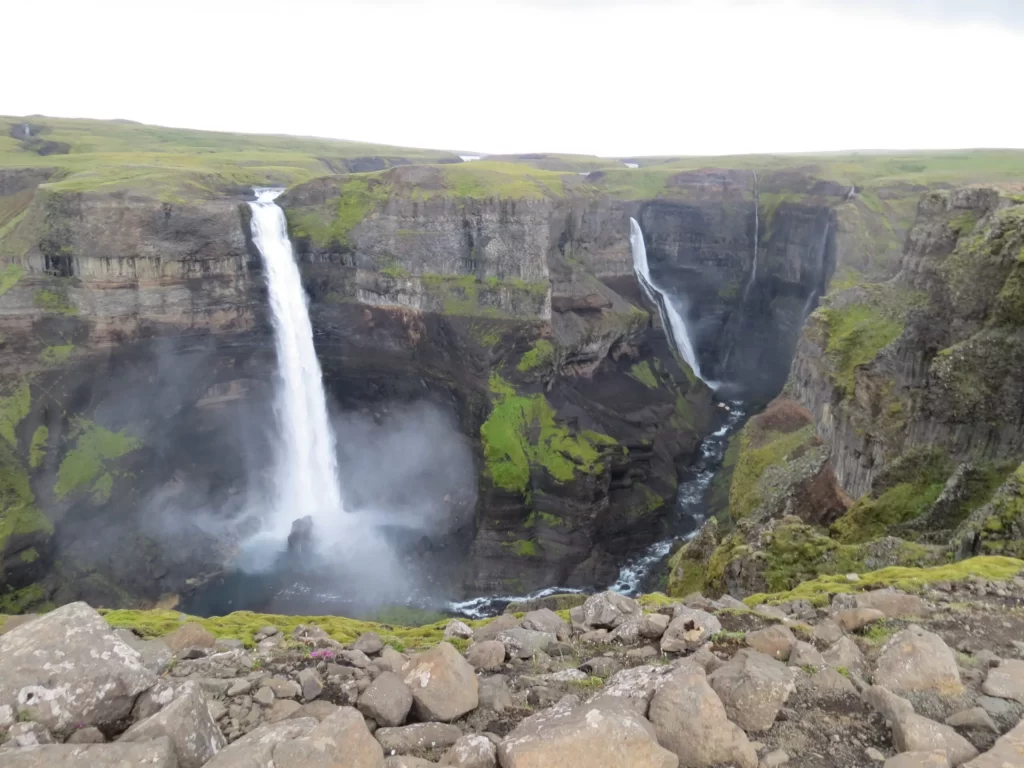
01.Háifoss
Háifoss was theoretically the highest waterfall in Iceland. The Fossá River pours its waters here at no less than 122 meters high. Recent measurements indicate that Hengifoss is the highest waterfall on the island at 128 metres.
Next to Háifoss is another large waterfall called Granni. The whole set forms an authentic spectacle of nature.
Háifoss
Granni
How to get there: The Háifoss car park is located 140km from Reykjavik.
Here we leave a map with the situation of the waterfalls in Iceland:
Discover more about Iceland through our travel diary.
We continue our journey through Iceland and arrive at the capital: Reykjavik. It is coming to an end (unfortunately). We leave the Snaefellsnes peninsula behind and head to what will be our hotel for the last two nights.
We chose the Laxness Hotel, a simple hotel located in the town of Mosfellsbær, about 15 km north of Reykjavik. It cost us €120 per night with a private bathroom.
Find the best hotels in Iceland at the best price with Agoda:
July 23rd
Since we still had some time, we left our things at the hotel and went for a walk around the nearby Mount Esja.
Mount Esja, located in Kjalarnes, is one of the most popular destinations in Iceland for day trips. Actually, Esja is not a mountain itself, but a volcanic chain, whose highest peak reaches 914 meters in height.
Mount Esja
The way up the mountain is divided into different sections, with signs indicating the difficulty of each route.
The best known paths lead to the summits of Þverfellshorn (780 m) and Kerhólakambur (851 m). The highest point is called Hábunga and requires an additional three kilometer hike northeast of Þverfellshorn.
Approximately 200 m from the top, hikers find themselves on a large rock called Steinn. There they can choose three options: continue on the marked path, go directly to the top or simply enjoy the excellent views before descending. Climbing to the top is recommended only for experienced hikers.
The truth is that we, already exhausted from so many days and, above all from such a fascinating day, soon decided to turn around.
We got back in the car and went to the hotel.
For dinner we do not complicate life much. Right in front of the hotel there was a restaurant from the KFC chain and we had dinner right there. The truth is that it is much more expensive than in Spain. 4,087 ISK (€30) we got dinner.
July 24th
We get up very early and we set out. At 12:00 we have to return the car and we had to take advantage of it.
We are going to try to do the hiking route that runs through the Geldingadalir volcano area again, which we had to cancel the first attempt due to inclement weather.
But today yes. We arrived at the car park (number 1, there are 3) and it was hardly windy and not very cold.
There are several routes up according to the difficulty. They are well signposted with the letters A, B and C. The A is about 3 km long and is the easiest.
The B is a little longer, about 3.5 km and is more difficult. When we were there it was cut off.
The C has two variants. By Langihryggur it is about 4 km. By Nátthagi it is 2 km and it is the easiest. In this one you can see the lava field but not the crater.
We did the A. At first the route is very beautiful, admiring the beautiful landscape of Reykjanes.
We started to climb uphill until we reached one of the edges of the still smoking lava field.
We continue up the even steeper path until we reach the top, from where we have a fascinating view of the lava field and the crater.
Geldingadalir Crater
How to imagine that just a few days later, the ground would reopen in this area.
It was starting to get late to return the car, we decided to run to the rental office. We return it and take a walk to the bus stop to go to Reykjavik.
We arrive at the stop. WOW! It takes a long time for it to happen. We looked for somewhere to eat or buy something that the stomach began to complain. There was practically nothing open around but we did find a pylsur stall in front of the town hall. It’s called Pulsuvagninn and it was good… along the lines: cheap and tasty.
The bus arrives on time and the driver turned out to be the same horny one from the first day at the airport (it’s the same line). We did not hesitate and we got behind him. Laughing all the way once again.
Reykjavik
Reykjavik is the capital of Iceland and its most populous city with almost 138,000 inhabitants and some 245,000 including its metropolitan area.
According to what is said in Landnámabók, Ingólfur Arnarson was the first settler of Iceland. He settled in the year 870 where the city stands today and named his hut Reykja (r) vík. Recent archaeological excavations in the area of Aðalstræti, Suðurgatu and Kirkjustræti seem to corroborate this.
Ingólfur Arnarson
We got off the bus next to the BSI station, which is the station of the direct airport bus company, not the public one.
If you want more comfort, discover the Civitatis Reykjavik City Tour:
From here we went for a walk to Hallgrímskirkja, about 15 minutes walk.
Hallgrímskirkja is a Lutheran church located on top of the Skólavörðuhæð hill. And although many think so, it is not a cathedral, it is a “simple” church.
Almost 75 meters high, from its bell tower you get spectacular views of the entire city.
It was built between 1945 and 1986 according to the design of the architect Guðjón Samúelsson, who wanted to capture the spectacular Icelandic nature in the building. For this he was inspired by glaciers, mountains and lava formations, particularly the hexagonal basalt columns that surround the Svartifoss waterfall in Vatnajökull National Park.
It’s also designed to resemble Thor’s hammer, with the handle upturned, as a nod to Iceland’s religious history.
The interior is quite austere. A really simple decoration, highlighting the organ with more than 5,000 pipes built by the German company Johannes Klais from Bonn and installed in 1992.
Outside we find a statue of Leifur Eiríksson, the Nordic explorer who discovered North America 500 years before the arrival of Christopher Columbus. The sculpture is the work of American sculptor Alexander Stirling Calder and was a gift from his government to Iceland in 1930, to commemorate the millennium of the Alþingi, the world’s first democratically elected parliament founded in 930 in Þingvellir.
It was already time to eat seriously so it was time to find a place. We go down towards the center along Skólavörðustígur street. On the way we bought some souvenirs. Almost at the end of the street, it becomes pedestrian and is renamed Regnbogagatan (Rainbow Street).
The floor of Regnbogagatan is painted in the colors of the rainbow representing the kindness and acceptance of Iceland towards its LGTBI community. Iceland is considered one of the friendliest countries with the LGTBI collective in the world.
There was a place here called Reykjavik Fish. Basically Fish & Chips and little else. It was quite good and not expensive: 5,670 ISK (€40).
After eating we went for a short walk through Laugavegur, one of the main shopping streets of the city. In it we can find hundreds of restaurants, clothing stores, souvenirs, etc…
Walking quietly we arrived at Laekjargata, another of the main streets of the city. Here we can find Stjórnarráðshúsið, the office of the Prime Minister of Iceland. The building was originally built as the first penitentiary in Iceland.
On March 20, 1759, King Frederick V of Denmark ordered the construction of a prison in Iceland. It was built between 1761 and 1771 and they used some convicts as labor.
In 1816 it stopped working as a prison and in 1904 reforms began to be the government building. In 1918 it began to function as a government building.
Stjórnarráðshúsið
Nearby is Safnahúsið (house of culture), which is part of the National Gallery. The building was built between 1906 and 1908 by the Danish architect Johannes Magdahl Nielsen.
In 1908 the museum of antiquities was moved here until 1950 it was moved to its own building in 1950. Between 1908 and 1947 you could also find the Museum of Natural History of Iceland.
In 1909 the National Library and the National Archives were moved. The first until 1994 and the second until 1987.
Currently in the building is the permanent exhibition Points of View and temporary exhibitions.
We continue down to Austurstræti, another of the main shopping streets of the city. In it we can find some of the oldest buildings in the city.
Parallel to Austurstræti we find the Austurvöllur square. It is one of the most popular places to meet. Good for sunbathing, for coffee or for mass protests, since the Alþingi, the Icelandic Parliament, is located here.
In the square there are several noteworthy elements, such as the aforementioned Alþingi. As we already mentioned in the first journal entry, the Alþingi was formed in 930 AD, originally in the Þingvellir National Park.
In 1800, the Alþingi was temporarily dissolved by the Danish King Christian VII and replaced by a High Court in Reykjavík. In 1843 the parliament was re-established through a second royal decree.
Since then, the Alþingi has been modernized with the times. The right to vote grew to incorporate everyone, regardless of income and gender, and eventually, first by achieving Home Rule and then Independence from Denmark.
Alþingishúsið (Parliament House)
The current building, known as Alþingishúsið (Parliament House), opened in 1881 and is the work of Danish architect Ferdinand Meldahl. The Alþingishúsið was also the home of the National Library, until 1908, and of the National Gallery of Iceland, until 1950. The University of Iceland operated on the first floor of the building between 1911 and 1940, and the President of Iceland had his offices there. until 1973.
Returning to Austurvöllur square, we can find in the center a statue of Jón Sigurðsson, the leader of the Icelandic independence movement. That during our visit it was found covered by scaffolding.
In the square is also Svarta keilan – Minnisvarði um borgaralega óhlýðni (The Black Cone, Monument to Civil Disobedience). It was created by the Spanish Santiago Sierra and installed in 2012 to honor the protests that took place here after the economic crisis of 2008.
It is a large stone with a black metal cone embedded in it and a plaque written in Icelandic and English. In it you can read the Declaration of the Rights of Man and of the Citizen of 1793:
“When the government violates the rights of the people, the insurrection is for the people and each part of the people the most sacred of rights and the most indispensable of duties.”
Next to Alþingishúsið is Dómkirkjan í Reykjavík, the Lutheran Cathedral of Reykjavik. It was originally built in the 18th century by the Danish architect Andreas Johannes Kirkerup.
Domkirkja is the seat of the Bishop of Iceland, the central Lutheran church in Iceland, and the central parish church in and around Reykjavik. The cathedral is the place where services are held before the opening of the National Parliament of Iceland and the inauguration of the President of Iceland since 1845.
Dómkirkjan í Reykjavík
From here we approach the nearby Reykjavíkurtjörn, Lake Tjörn, a shallow natural lake located in the center of the city. The lake has a great wealth of birds with some 40 different species of birds inhabiting it.
In winter it freezes completely and becomes an ice skating rink.
In its surroundings there are many noteworthy elements. As soon as we got to the north shore, we came across a sculpture… interesting?: Óþekkti embættismaðurinn, Monument to the Unknown Bureaucrat… Created by Magnús Tómasson in 1993. Initially the work was located in a garden behind the Hotel Borg, but it has been given a much more visible home in front of Iðnó.
Óþekkti embættismaðurinn, Monument to the Unknown Bureaucrat
There must be everything in the world…
The sculpture stands in front of Iðnaðamnarhúsið or Iðnó. It is a restaurant and meeting house where the Leikfélag Reykjavíkur theater company was located until 1989, the oldest in Iceland founded in 1897.
Iðnó
At the northwestern end of the lake is Ráðhús Reykjavíkur, the town hall building. Here are the town hall offices, the tourist information office and a huge 3D map of Iceland.
Ráðhús Reykjavíkur
The building was inaugurated in 1992 according to the design of Estudio Granda. The designers fused traditional Icelandic materials with modern Nordic design, but arguably the most distinctive feature of the building is how it appears to rest on the body of water that is Tjörnin.
Ráðhús Reykjavíkur
Since 2017 the building houses the tourist office and can be freely visited (there is a free WC… important information).
On the east bank we find Fríkirkjan í Reykjavík, the Free Church of Reykjavik, which is an independent Lutheran congregation from the State, founded in 1899.
Fríkirkjan í Reykjavík
Next to it is Listasafn Íslands, the National Gallery of Iceland, founded in 1884 in Copenhagen by Birn Bjarnarson.
The building was built by the Icelandic architect Samuelsson Guðjón in 1916 to be a frozen food factory. It started working as an art gallery when the collections were transferred from Alþingishúsið in 1950.
From here we head to Landakotskirkja, the Cathedral or Basilica of Christ the King. It is the Catholic cathedral of Iceland. In 1864, the small Catholic community of Reykjavik built a small chapel on this site, which was replaced a few years later by a wooden church.
On July 23, 1929, the new building built by the architect Guðjón Samúelsson in neo-Gothic style was consecrated.
Landakotskirkja
Landakotskirkja
Going down the hill where the cathedral is located, we went to Landnámssýningin, The Settlement Exhibition. In it we find Viking elements discovered in 2001 during an excavation in the area.
Part of a 10th-century longhouse was discovered, as well as relics dating from before 871, even before the settlement era officially began.
The exhibition also features multimedia and interactive installations where this part of Icelandic history can be explored. The entrance price is 1,600 ISK (€11.36).
As we needed to rest a bit, right next to it is a cafeteria called Uppsalir where we had some delicious coffees. A quiet and comfortable place.
After the break we headed towards Old Harbour. It is the main port of departure for whale watching and puffin tours, as well as Northern Lights cruises.
At first it was dedicated exclusively to fishing and commerce, but in recent years they have been replaced by tourism.
From Old Harbor you can see in the background Þúfa, a work of art designed by Icelandic artist Ólöf Nordal. He was looking for a perfect place to meditate away from the bustle of the city.
The word Þúfa, “túfa”, in Icelandic means kill, but it can also mean a small mountain or a mound. At the top of the hill is a shed for drying fish. The work was commissioned in 2013 by the HB Grandi fish factory.
From here you can see beautiful views of the city, although you have to walk a lot.
Þúfa
Continuing our walk through Old Harbor we passed several sculptures, such as the commemorative statue “Looking at the Sea“, the work of Ingi Þ. gislason.
Looking at the Sea
Behind it is Listasafn Reykjavíkur – Hafnarhús, one of the buildings of the Reykjavik Art Museum. The rear facade, the front was the street raised by works (and it was a pain in the ass).
This building is the most recent in the museum complex. It was built between 1913 and 1917 to be a port warehouse. The building was completely renovated and reopened in 2000, coinciding with Reykjavik’s status as the “European Capital of Culture”.
We continue in the direction to Harpa but along the way we come across something that caught our attention: Hið íslenzka reðasafn, the Icelandic penis museum!
It is a museum dedicated to the male sexual organ founded in 1997 by history professor Sigurður Hjartarson. The objective of the museum is to have the penises of all the species of mammals in Iceland, including those of different species that are in danger of extinction in that country. The museum also exhibits some specimens of mammalian penises that do not live in Iceland. In addition, it has representations of the phalluses of mythological creatures (such as elves, trolls, sea monsters, etc.) and related artistic works.
We continue our walk and arrive at Harpa, the Reykjavik Conference Center and Concert Hall. It was designed between the Danish-Icelandic artist Ólafur Elíasson and the Danish firm Henning Larsen Architects.
Its construction began in 2007 but with the arrival of the financial crisis of 2008 the works were paralyzed. Finally the necessary funds were obtained and it was inaugurated in 2011.
We set off again and walk along the promenade parallel to the sea to Sólfarið, the Traveler of the Sun.
It is a steel sculpture representing a ship. Contrary to popular belief, it is not a Viking ship. It is one of the most visited places in the capital, where people gather daily to contemplate the sun reflecting on the stainless steel of this remarkable monument.
The project was the winner of a contest held in 1986 during the celebration of the 200th anniversary of the founding of the city. The sculpture was unveiled in its location in August 1990, a few months after the death of its author Jón Gunnar Árnason.
We continue taking a pleasant walk in the cool. Walking, walking we reached Viti við Höfða, the Höfði lighthouse. It was built in 2019 but is inspired by the lighthouses that were in the Reykjavik harbor until 1910.
Viti við Höfða
Opposite the lighthouse is one of the most remarkable historical buildings in the city: Höfði.
It was built in 1909 for the French consul Jean-Paul Brillouin.
Between 1914 and 1917 it was the residence of the Icelandic businessman poet Einar Benediktsson.
Between 1938 and 1951 it housed the embassy and the residence of the ambassador of the United Kingdom.
Since 1958 it has been used for formal receptions and festive occasions.
But it was in 1986 when he caught the attention of the whole world. Between October 11 and 12 of that year, the presidents of the US and the USSR, Ronald Reagan and Mikhail Gorbachev, met here for the first time. This was the beginning of the end of the Cold War.
Here we almost end the day. We go to a bus stop. He comes, we get on and try to pay with our mobile. Well, in the urban areas of Reykjavik you can’t.
We tell the driver that we have no cash, that in 10 days we have not touched a single crown. The kid freaks out but doesn’t force us to get off. As the journey lasted about 20 minutes, we had time to download the company’s application. In it you can buy single tickets and validate them with the mobile in the travel card reader.
For dinner we did not complicate our lives and we ate at the KFC that was right in front of the hotel.
July 25th
Last moments in Iceland. We leave the hotel and go to the BSI station. There we have lockers where you can store your suitcases. The large locker costs us 1,490 ISK (€10.60) and we can fit two large suitcases and a backpack. There are different prices for three different sizes of lockers.
Today the only plan is to visit Perlan (The Pearl). It is a museum and a revolving glass dome that sits on top of Öskjuhlíð hill.
In 1939 cisterns where geothermal waters were stored were built here. In 1991 the current building, the work of the architect, was inaugurated. The building consists of a huge glass dome that rests on six district heating tanks, each of which can hold around 4 million liters of geothermal water.
The museum has various exhibits on the nature of Iceland. In it we can learn about the geology, fauna, flora and history of the country. It is really complete and it will take you about 3 hours to go through it.
It has a planetarium where we can learn everything about the northern lights (in English) and an ice cave simulation (in which it is terribly cold).
On the top floor, where the dome is located, we have a restaurant and a viewing terrace from which we have impressive 360º views.
We were not very convinced but it was really worth it. I think it is one of the essential visits in Reykjavik. The entrance price is 4,690 ISK (€33.40).
You can buy your ticket a little cheaper at Civitatis:
After the long visit we went for the last walk through the city. From here we went to the Einar Jónsson museum, next to Hallgrímskirkja.
Einar Jónsson (1874-1954) was Iceland’s first sculptor. He attended the Royal Danish Academy of Fine Arts in Copenhagen from 1896 to 1899.
After residing in Rome from 1902 to 1903, Jónsson rejected naturalistic representation altogether and was publicly critical of the classical art tradition, which he felt had burdened artists. He stressed the need for artists to forge their own path and cultivate their originality and imagination rather than follow in the footsteps of others.
Discover the best activities and tours in Reykjavik with Civitatis:
Jónsson’s exposure to the ideas of the Swedish theosophist Emanuel Swedenborg in 1910 had a significant influence on his life and art. From that time until the end of his life, he created works of figurative art whose complex symbolism was based on theosophy.
Einar Jónsson was a pioneering figure in Icelandic sculpture and his influence on the visual arts in Iceland has been considerable, if indirect. He moved permanently to Iceland in 1920 at the age of 46 and resided there until his death in 1954.
From here we went for a walk towards the center in search of somewhere to eat.
On the way to Old Harbor we pass through a very, very touristy place: Bæjarins Beztu Pylsur. It is a hot dog stand famous because former US President Bill Clinton ate one and said it was the best he had ever tasted.
Like good tourists we got in line. About half an hour later we already had our pylsur. It was good but nothing special. One more tourist tour to do.
As it wasn’t too crowded we continued our search for a place to eat. We did it in the same place as the day before, although in another place located in Old Harbour.
It was time to start going back to the station to take the bus to the airport, but without rushing. Let’s go for a walk.
This is a work of art…
On the way we stopped at a cafeteria from which came an exquisite smell of coffee. It’s called Reykjavik Roasters. It’s a very hipster place with very good coffee and… very expensive. 690 ISK for coffee (€5).
Yes now. We’re going to the station. We pick up our bags and take the bus, which stops at a shelter in front of the station.
At 9:55 p.m. it took off punctually to Barcelona, from where we had a stopover to our final destination: Bilbao.
Balance of the trip
What can I say. He dreamed of this destination since he was a child. More than 30 years later I was able to fulfill it and not only does it not disappoint, but it offers even more than expected.
The incredible landscapes that remain etched in the retina and its kind and friendly people. Although tremendously expensive.
A destination to repeat.
Discover the best activities and tours in Reykjavik with Civitatis:
Para ofrecer las mejores experiencias, utilizamos tecnologías como las cookies para almacenar y/o acceder a la información del dispositivo. El consentimiento de estas tecnologías nos permitirá procesar datos como el comportamiento de navegación o las identificaciones únicas en este sitio. No consentir o retirar el consentimiento, puede afectar negativamente a ciertas características y funciones.
Funcional
Siempre activo
El almacenamiento o acceso técnico es estrictamente necesario para el propósito legítimo de permitir el uso de un servicio específico explícitamente solicitado por el abonado o usuario, o con el único propósito de llevar a cabo la transmisión de una comunicación a través de una red de comunicaciones electrónicas.
Preferencias
El almacenamiento o acceso técnico es necesario para la finalidad legítima de almacenar preferencias no solicitadas por el abonado o usuario.
Estadísticas
El almacenamiento o acceso técnico que es utilizado exclusivamente con fines estadísticos.El almacenamiento o acceso técnico que se utiliza exclusivamente con fines estadísticos anónimos. Sin un requerimiento, el cumplimiento voluntario por parte de tu Proveedor de servicios de Internet, o los registros adicionales de un tercero, la información almacenada o recuperada sólo para este propósito no se puede utilizar para identificarte.
Marketing
El almacenamiento o acceso técnico es necesario para crear perfiles de usuario para enviar publicidad, o para rastrear al usuario en una web o en varias web con fines de marketing similares.